Understanding the Metal Roofing Industry
The metal roofing industry has seen a substantial transformation over the past few years, driven by innovations in materials and design, growing environmental concerns, and an increasing desire for durable and sustainable building solutions. As homeowners and businesses seek reliable options that can withstand the test of time and the elements, the role of metal roofing contractors has become more critical than ever. Understanding what sets these professionals apart is essential for making informed decisions about your roof installation or upgrade.
What Are Metal Roofing Contractors?
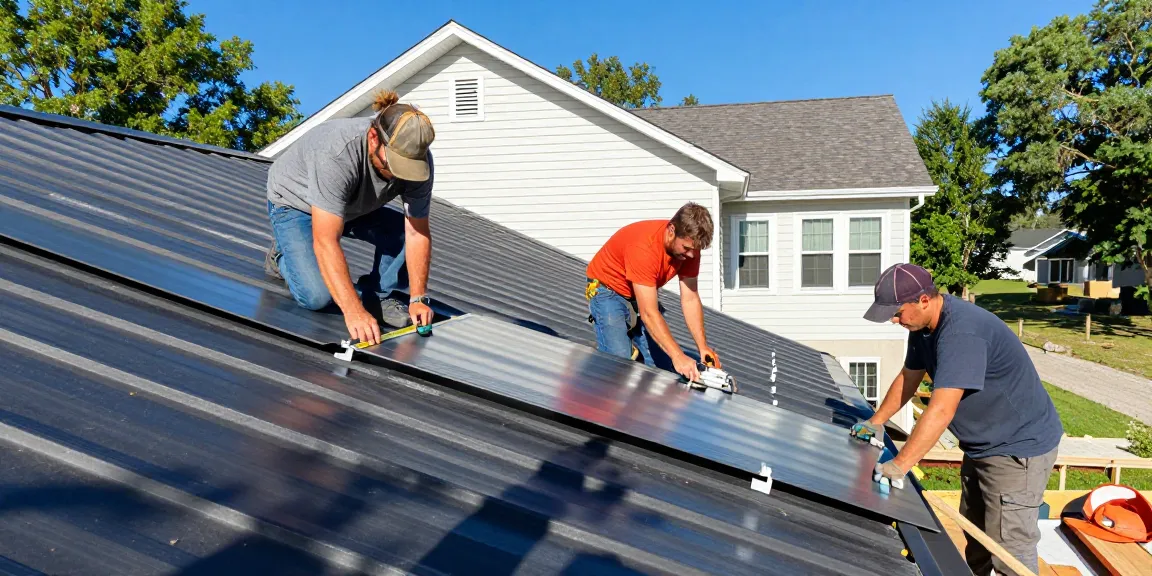
Metal roofing contractors are specialized professionals who install, repair, and maintain metal roofing systems. They typically offer a wide range of services, including consultation, design, installation, and post-installation maintenance. These experts are well-versed in various metal types—such as steel, aluminum, copper, and zinc—and understand the unique properties and installation requirements of each material. Their expertise ensures that the roof is not only aesthetically pleasing but also functional and long-lasting.
Current Trends in Metal Roofing
Several trends are shaping the metal roofing industry today. One prominent trend is the use of eco-friendly materials. With an increasing number of homeowners considering sustainability, metal roofs made from recycled materials or with lower carbon footprints are gaining popularity. Another trend is high-tech coatings that enhance durability and energy efficiency, providing better protection against UV rays and extreme weather. Moreover, the adoption of modern designs, including standing seam and metal shingles, has allowed homeowners to blend these roofs seamlessly with various architectural styles.
Advantages of Metal Roofs Compared to Other Materials
Metal roofs offer numerous advantages over traditional roofing materials, such as asphalt shingles or tile. Some of the most notable benefits include:
- Longevity: Metal roofs can last 50 years or longer with proper maintenance, whereas asphalt shingles typically last around 20 years.
- Durability: Metal is resistant to extreme weather conditions, including hail, wind, and heavy snowfall.
- Energy Efficiency: Reflective metal roofing can help reduce cooling costs in warm climates by reflecting solar radiation.
- Low Maintenance: Metal roofs require minimal maintenance compared to other roofing materials.
Choosing the Right Metal Roofing Contractors
Selecting the right contractor is crucial for ensuring a successful roofing project. With many professionals in the market, understanding the key qualities to look for can help you make an informed choice.
Key Qualities to Look For
When looking for metal roofing contractors, consider the following qualities:
- Experience: Look for contractors with a proven track record in metal roofing installations.
- Licensing and Insurance: Ensure they are licensed to operate in your area and carry liability insurance and worker’s compensation.
- Warranties: A reputable contractor offers warranties on both their workmanship and materials used.
- References: Ask for and check references to gauge the contractor’s reliability and work quality.
How to Evaluate Contractor Experience and Reputation
To evaluate a contractor's experience and reputation, follow these steps:
- Check online reviews on platforms like Google, Yelp, and the Better Business Bureau.
- Ask for examples of previous work, including before and after photos on similar projects.
- Inquire about their experience with specific metal roofing systems to ensure they meet your needs.
- Seek feedback from recent clients about their experience with project timelines, communication, and professionalism.
Questions to Ask Before Hiring
Before finalizing a contractor, ask the following questions to clarify project details:
- What types of metal roofing do you recommend for my home?
- How long will the installation take?
- What is your payment schedule?
- Will you obtain the necessary permits for the project?
- How do you handle unexpected issues during installation?
Installation Process of Metal Roofing
Understanding the installation process can help homeowners anticipate what to expect during their roofing project, ensuring everything runs smoothly from start to finish.
Step-by-Step Metal Roof Installation Guide
The installation of a metal roof involves several steps, typically including:
- Removing the old roof: If there’s an existing roof, it needs to be removed to allow for proper installation.
- Inspecting and repairing the decking: Check the underlying roof structure and make necessary repairs.
- Installing underlayment: This layer prevents moisture from penetrating the roof deck.
- Laying down metal panels: The metal roofing panels are installed, starting from the bottom and moving upwards.
- Finishing touches: Installation of flashing, ridge caps, and any necessary ventilation systems follows.
Essential Tools and Equipment Used
Metal roofing contractors use a variety of tools and equipment, including:
- Metal shears: For cutting metal panels to the required sizes.
- Drills and fasteners: To secure the metal panels to the roof structure.
- Safety gear: Helmets, harnesses, and gloves to ensure worker safety.
- Ladders and scaffolding: For safe access to roofs of different heights.
Common Challenges and How to Overcome Them
While installing a metal roof, several challenges may arise, including:
- Weather delays: Schedule installations during favorable weather to minimize disruptions.
- Material availability: Ensure all materials are readily available before starting the project.
- Complex roof designs: Consider hiring an experienced contractor familiar with intricate designs.
Maintenance and Longevity of Metal Roofs
To ensure the longevity of a metal roof, homeowners must take proactive measures in its maintenance. Here are practical tips to keep your roof in excellent condition.
Best Practices for Metal Roof Care
Implementing best practices can help you maintain the integrity of your metal roof:
- Regular Inspections: Check the roof at least twice a year for any signs of damage or wear.
- Clean Debris: Regularly remove leaves, branches, and other debris from the roof surface and gutters.
- Check for Rust: Inspect for signs of rust and promptly treat any affected areas.
Signs Your Metal Roof Needs Repair
Be aware of the following signals indicating that your metal roof may need repairs:
- Visible Damage: Look for dents, cracks, or missing panels.
- Leaks: Water stains on the ceiling or walls may indicate a leak in the roofing system.
- Rust and Corrosion: Significant rust spots may require immediate attention to prevent spread.
Extending the Life of Your Metal Roof
To extend your metal roof's lifespan, consider these strategies:
- Professional Maintenance: Hire a roofing contractor for regular maintenance checks.
- Use Quality Materials: When repairs are necessary, opt for high-quality replacement materials.
- Install Additional Insulation: Proper insulation can help reduce thermal expansion and contraction, which can cause wear over time.
Future of Metal Roofing Contractors
As the construction industry evolves, so too does the role of metal roofing contractors. Keeping an eye on emerging trends and technologies is crucial for staying competitive in the market.
Emerging Technologies and Innovations
The metal roofing industry is witnessing innovations such as:
- Advanced Coatings: Innovations in protective coatings to enhance durability and energy efficiency.
- Smart Roofing Systems: Integration of technology to monitor roof conditions and manage energy consumption.
Market Predictions for 2026 and Beyond
Experts predict that the demand for metal roofing will continue to grow, driven by its advantages in sustainability and performance. The market will likely see a rise in more stylish, customizable options that appeal to a broader range of consumers.
How Sustainability is Shaping the Industry
Sustainability is becoming a core consideration in roofing material choices. With increasing consumer awareness about environmental impact, there is a growing trend toward using recycled materials and promoting energy-efficient roofing solutions. Contractors who incorporate sustainable practices into their businesses will likely find increased demand for their services.