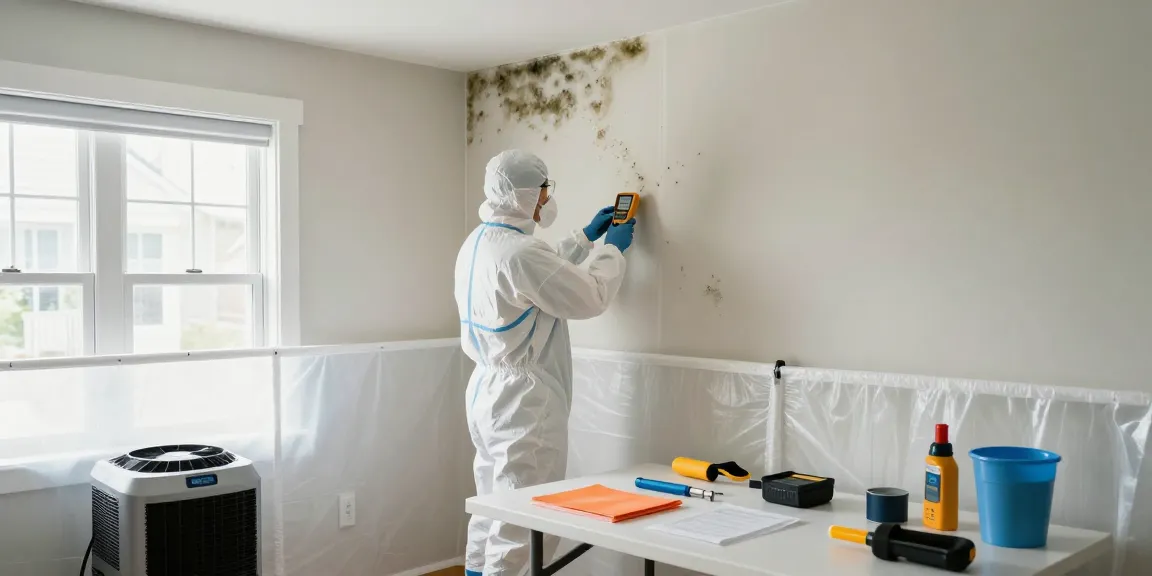
Understanding Mold and Its Risks
Mold is not just an unsightly nuisance; it poses significant risks to health and the integrity of your home, especially in regions like West Vancouver where humid conditions are prevalent. Understanding the nature of mold, its health implications, and its common causes is crucial for homeowners looking to maintain a safe environment. Mold thrives in damp, warm areas, and failure to address mold issues promptly can lead to serious problems. When exploring options for remediation, Mold Remediation West Vancouver specialists can provide comprehensive insights to help you manage this pervasive issue.
What is Mold and Why It Matters?
Mold is a type of fungus that exists naturally in the environment. It plays an important role in decomposing organic matter. However, when mold spores land on damp surfaces indoors, they can grow and reproduce rapidly, leading to infestations that can damage property and pose health risks to residents. Understanding mold and its typical growth conditions is crucial for prevention and timely remediation.
Health Implications of Mold Exposure
Exposure to mold can lead to a variety of health issues, particularly for sensitive individuals. Symptoms of mold exposure include respiratory problems, allergic reactions, and skin irritations. Long-term exposure may even lead to more severe health conditions, particularly for those with asthma or compromised immune systems. Recognizing these health implications underscores the importance of professional mold remediation services.
Common Causes of Mold Growth in West Vancouver
The coastal climate of West Vancouver presents unique challenges for homeowners regarding moisture management. Common sources of mold growth in the area include:
- Leaking roofs and windows
- High humidity levels, especially during rainy seasons
- Poor ventilation in basements and attics
- Flooding or water damage from plumbing failures
The Importance of Professional Mold Remediation
When dealing with mold, professional help is not just an option; it is essential. Certified technicians utilize specialized equipment and follow established protocols to ensure thorough removal and prevention of future growth. The consequences of inadequate remediation can lead to recurring mold issues and further health risks.
Why Professional Help is Essential?
Attempting to remove mold without the guidance of professionals can often exacerbate the problem. Untrained individuals may disturb mold spores, allowing them to spread throughout the home. Professionals are trained to handle mold safely and effectively, minimizing health risks and property damage.
Steps in a Certified Mold Remediation Process
A certified mold remediation process typically involves several key steps:
- Inspection and Assessment: A thorough inspection to identify mold presence and underlying moisture sources.
- Containment: Implementing measures to prevent the spread of mold spores during the cleanup process.
- Air Filtration: Utilizing HEPA filters to capture airborne spores and improve air quality.
- Mold Removal: Removing and discarding contaminated materials safely.
- Cleanup and Restoration: Cleaning and restoring affected areas and materials.
Benefits of IICRC Certification for Technicians
Choosing IICRC-certified professionals ensures that you receive high-quality mold remediation services. The IICRC (Institute of Inspection, Cleaning, and Restoration Certification) sets standards for the cleaning and restoration industry. Certified technicians have undergone rigorous training and adhere to best practices, ensuring thorough and effective mold remediation.
Identifying Mold Problems Early
Detecting mold issues early is key to preventing extensive damage to your property. Homeowners should be vigilant in monitoring their homes for signs of mold growth. Awareness of the signs can help mitigate costly repairs down the line.
Signs You Need Mold Remediation
Some indicators that you may need mold remediation include:
- Visible mold growth on walls, ceilings, or floors
- Musty odors that persist despite cleaning
- Increased allergy symptoms among residents
- Excessive moisture or condensation in certain areas of the home
Where Mold Typically Hides in Homes
Mold can often go unnoticed, hiding in areas that are less visible. Common areas where mold thrives include:
- Behind drywall
- Underneath carpets
- In attics and crawlspaces
- Inside cabinetry and plumbing fixtures
DIY vs. Professional Assessment
While there are some DIY methods for tackling minor mold issues, professional assessments are essential for comprehensive remediation. Professionals can utilize advanced technologies, such as thermal imaging and moisture meters, to accurately locate hidden mold and moisture sources.
Cost Considerations for Mold Remediation
The cost of mold remediation can vary significantly based on various factors, including the extent of the mold problem, the affected materials, and the specifics of the remediation process. Understanding these factors can help homeowners budget appropriately for necessary services.
Factors That Affect Remediation Cost
Several factors influence the cost of mold remediation, including:
- The size of the affected area
- The type and amount of mold present
- Required materials for repairs and restoration
- The need for moisture control measures
Comparing Costs: Professional Help vs. DIY
While DIY mold removal may seem cost-effective initially, it often leads to greater expenses down the line if the mold returns. Professional remediation not only provides immediate results but also helps ensure that the underlying causes are addressed, preventing future growth and costs associated with additional repairs.
Insurance and Mold Remediation Coverage
Insurance coverage for mold remediation can vary widely depending on the policy and the nature of the mold problem. Homeowners should consult their insurance providers to understand what is covered and how to file claims effectively. Keeping documentation of mold assessments and remediation efforts is essential for insurance purposes.
Preventing Future Mold Growth
After successful mold remediation, it is crucial to take steps to prevent future growth. Understanding and implementing best practices for mold prevention is key to maintaining a safe and healthy home environment.
Best Practices for Mold Prevention
Implementing the following practices can help prevent future mold growth:
- Maintain low indoor humidity levels, ideally between 30-50%
- Ensure proper ventilation in high-moisture areas like kitchens and bathrooms
- Regularly inspect for leaks and address them promptly
- Use mold-resistant materials during construction or renovations
Regular Maintenance Tips for Homes in West Vancouver
Given West Vancouver’s climate, homeowners should prioritize regular maintenance. Suggested practices include:
- Cleaning gutters to prevent water accumulation
- Using exhaust fans during and after cooking or bathing
- Checking and repairing caulking around windows and doors
- Using dehumidifiers in basements and other prone areas
Using Humidity Control to Combat Mold
Humidity control is one of the most effective ways to combat mold growth. This can be achieved through the use of dehumidifiers, proper ventilation, and regular monitoring of moisture levels in your home.
What Should I Do If I Suspect Mold?
Upon suspecting mold growth, take immediate action. It’s important to avoid disturbing the mold and contact a certified mold remediation expert who can assess the situation and implement a proper remediation plan. Prompt action can prevent further damage and health risks.